Blog

  • Benefits of Choosing Mechanical Engineering as a Career

    467bf958f72b6c87f2403d1a8044e0ab.png

    Mechanical engineering is one of the oldest and most important branches of engineering. It focuses on designing, developing, manufacturing, and maintaining machines and mechanical systems that make everyday life easier. From cars and airplanes to household appliances and industrial equipment, mechanical engineering plays a major role in modern society. It combines principles of mathematics, physics, and material science to create efficient, safe, and reliable products. 

    H1. Whis Mechanical Engineering?

    Mechanical engineering is the study of machines, energy, motion, and manufacturing processes. Mechanical engineers use technical knowledge and creative thinking to solve real-world problems. They work on designing new products, improving existing machines, reducing production costs, and increasing efficiency in industries. This field covers everything from small mechanical parts to large industrial machinery. 

    H2. Importance of Mechanical Engineering

     Mechanical engineering is considered the backbone of industrial development. Every manufacturing industry depends on mechanical engineers to design machines, improve production systems, and ensure smooth operations. These professionals help industries produce better-quality products while saving time, energy, and resources. Their work also supports innovation in transportation, healthcare, renewable energy, and robotics. 

    H3. Major Areas of Mechanical Engineering 

    Mechanical engineering offers many specialized fields. Some of the most popular areas include:

    • Machine Design = Machine design is the process of creating machines or machine parts that can perform a required function with proper strength, safety, and efficiency. 
    • Manufacturing Engineering =Manufacturing Engineering is the field of engineering that deals with designing and improving the processes, machines, and systems used to manufacture products with high quality, minimum cost, and maximum efficiency.  

           Robotics: The science of designing and using robots tperform different tasks.

    • Automation: The use of machines and technology to complete work automatically without continuous human effort.
    • Thermal Engineering = Thermal Engineering is a branch of mechanical engineering that deals with the production, transfer, conversion, and efficient use of heat energy. It focuses on designing and maintaining systems such as boilers, engines, turbines, power plants, refrigeration, and air conditioning systems. 
    • Industrial Engineering = Industrial Engineering is the branch of engineering that focuses on improving production systems, manufacturing processes, and business operations. It aims to increase productivity, reduce costs, improve quality, and make the best use of people, materials, machines, and time. 
    • Aerospace Engineering = Aerospace Engineering is the branch of engineering that involves the design, development, testing,  and maintenance of aircraft, spacecraft, satellites, missiles, and related systems. It combines principles of aerodynamics, propulsion, materials, and structural design to ensure safe and efficient flight.                                                                            
    • Mechatronics = Mechatronics is a multidisciplinary field of engineering that combines mechanical engineering, electronics, computer science, robotics, and control systems to design and develop intelligent machines and automated systems. It is widely used in robotics, automation, smart manufacturing, and modern vehicles.  
    • HVAC (Heating, Ventilation, and Air Conditioning) =  HVAC stands for Heating, Ventilation, and Air Conditioning. It is the branch of engineering that focuses on designing, installing, and maintaining systems that provide comfortable indoor temperatures, proper ventilation, and clean air in homes, offices, hospitals, factories, and commercial buildings. 
    • Renewable Energy Systems = Renewable Energy Systems are technologies that generate energy from natural resources that are continuously replenished, such as sunlight, wind, water, geothermal heat, and biomass. These systems help reduce pollution, conserve fossil fuels, and provide sustainable energy for homes, industries, and transportation. They play a vital role in protecting the environment and meeting future energy demands.

    Each specialization provides unique career opportunities and allows engineers to work on exciting technologies.

    H4. Skills Required for Mechanical Engineers 

    A successful mechanical engineer needs both technical and practical skills. Some of the most important skills include:

    • Strong mathematical and analytical ability
    • Problem-solving skills
    • Knowledge of engineering drawing and design
    • Understanding of manufacturing processes
    • Computer-Aided Design (CAD) software knowledge
    • Communication and teamwork skills
    • Creativity and innovation
    • Attention to detail
    • Time management

    These skills help engineers design better products and solve engineering challenges effectively.

    H5. Modern Technologies in Mechanical Engineering 

    Technology has transformed the field of mechanical engineering. Engineers now use advanced tools and software to improve design accuracy and manufacturing speed. Some of the latest technologies include:

    • 3D Printing = 3D Printing, also known as additive manufacturing, is a process of creating three-dimensional objects by adding material layer by layer from a digital design. It is widely used to produce prototypes, machine parts, medical devices, tools, and customized products quickly and accurately.
    • Computer-Aided Design (CAD) = Computer-Aided Design (CAD) is the use of computer software to create, modify, analyze, and optimize 2D and 3D engineering designs. CAD helps engineers produce accurate drawings, improve design quality, and reduce development time. Popular CAD software includes AutoCAD, SolidWorks, CATIA, and Creo. 
    • Computer-Aided Manufacturing (CAM) = Computer-Aided Manufacturing (CAM) is the use of computer software and automated machines to manufacture products directly from CAD designs. CAM improves production accuracy, reduces manual work, increases efficiency, and is commonly used with CNC machines in modern industries. 
    • Computer Numerical Control (CNC) Machines = Computer Numerical Control (CNC) machines are automated manufacturing machines controlled by computer programs. They perform operations such as cutting, drilling, milling, turning, and grinding with high precision and consistency. CNC machines are widely used in automotive, aerospace, and manufacturing industries. 
    • Artificial Intelligence (AI) = Artificial Intelligence (AI) is the technology that enables computers and machines to perform tasks that normally require human intelligence, such as learning, problem-solving, decision-making, speech recognition, and image analysis. In mechanical engineering, AI is used for predictive maintenance, quality inspection, robotics, and smart manufacturing. 
    • Internet of Things (IoT) = The Internet of Things (IoT) is a network of physical devices, machines, and sensors connected to the internet that collect, share, and analyze data. In engineering and manufacturing, IoT enables real-time monitoring, remote control, predictive maintenance, and improved operational efficiency.
    • Robotics and Automation =Robotics and Automation is a field of engineering that combines robots, sensors, computer programming, and automated control systems to perform tasks with little or no human intervention. It is widely used in manufacturing, healthcare, logistics, agriculture, and other industries to improve productivity, accuracy, safety, and efficiency. 
    • Digital Twin Technology  = Digital Twin Technology is the creation of a virtual replica of a physical object, machine, process, or system using real-time data. This digital model allows engineers to monitor performance, simulate operations, predict failures, and optimize maintenance before problems occur. Digital twins are widely used in manufacturing, aerospace, automotive, and smart industries to improve efficiency and reduce costs.    These innovations have made production faster, more accurate, and cost-effective.

    H6. Career Opportunities 

    Mechanical engineering graduates can work in a wide range of industries. Some popular career options include:

    • Mechanical Design Engineer =A Mechanical Design Engineer designs and develops mechanical components, machines, and equipment using engineering principles and CAD software. They create detailed drawings, select suitable materials, and ensure products are safe, efficient, and cost-effective.  
    • Production Engineer = A Production Engineer is responsible for planning, managing, and improving manufacturing processes. They ensure products are produced efficiently, maintain quality standards, reduce production costs, and increase productivity. 
    • Maintenance Engineer = A Maintenance Engineer is responsible for inspecting, repairing, and maintaining machines, equipment, and industrial systems. Their goal is to prevent breakdowns, improve equipment reliability, and ensure smooth operations. 
    • Quality Control Engineer = A Quality Control Engineer ensures that products meet required quality standards and customer expectations. They inspect materials, monitor production processes, conduct tests, and identify defects to maintain product quality. 
    • Automobile Engineer = An Automobile Engineer designs, develops, manufactures, and tests automobiles such as cars, motorcycles, buses, and trucks. They work on vehicle performance, safety, fuel efficiency, electric vehicles, and advanced automotive technologies. 
    • HVAC Engineer = An HVAC Engineer designs, installs, and maintains heating, ventilation, and air conditioning systems for residential, commercial, and industrial buildings. They ensure indoor comfort, proper air quality, and energy-efficient climate control. 
    • Project Engineer = A Project Engineer plans, coordinates, and supervises engineering projects from start to completion. They manage project schedules, budgets, resources, and technical activities while ensuring projects are completed safely and on time. 
    • Robotics Engineer = A Robotics Engineer designs, builds, programs, and maintains robotic systems used in manufacturing, healthcare, agriculture, defense, and automation. They combine mechanical engineering, electronics, and computer programming to create intelligent machines. 
    • Manufacturing Engineer = A Manufacturing Engineer develops and improves manufacturing processes to produce high-quality products efficiently. They select production methods, optimize workflows, reduce waste, and improve factory performance using modern technologies. 
    • Research and Development Engineer =A Research and Development (R&D) Engineer conducts research to create new products, improve existing technologies, and develop innovative engineering solutions. They perform experiments, analyze data, test prototypes, and help bring new ideas into practical use.

    Mechanical engineers can find employment in automobile companies, manufacturing industries, power plants, aerospace organizations, railways, defense, construction companies, and renewable energy sectors.

    H7. Advantages of Choosing Mechanical Engineering 

    Mechanical engineering offers many benefits for students who enjoy designing and solving technical problems. It provides diverse career opportunities, continuous learning, and the chance to work with advanced technologies. Mechanical engineers are always in demand because every industry requires machines and skilled professionals to maintain and improve them. The field also offers opportunities for entrepreneurship, allowing engineers to start their own manufacturing or design businesses. 

    H8. Challenges in Mechanical Engineering 

    Although mechanical engineering is a rewarding profession, it also comes with challenges. Engineers often work on complex projects that require precision and careful planning. They must keep up with rapidly changing technologies and continuously upgrade their skills. Meeting deadlines, ensuring safety standards, and reducing production costs are also important responsibilities. 

    H9. Future Scope of Mechanical Engineering 

    The future of mechanical engineering is bright as industries continue to adopt smart manufacturing, automation, renewable energy, and sustainable technologies. Electric vehicles, robotics, artificial intelligence, aerospace innovations, and green energy projects are creating new opportunities for mechanical engineers. Professionals who develop skills in advanced manufacturing and digital technologies will have excellent career prospects in the coming years. 

    H10. Conclusion 

    Mechanical engineering is a dynamic and versatile field that continues to shape the modern world. It combines creativity, science, and technology to design machines and systems that improve everyday life. With the growth of automation, renewable energy, and advanced manufacturing, the demand for skilled mechanical engineers is increasing worldwide. Students who are passionate about innovation, problem-solving, and technology can build a successful and rewarding career in mechanical engineering. 

  • Courses for Medical students

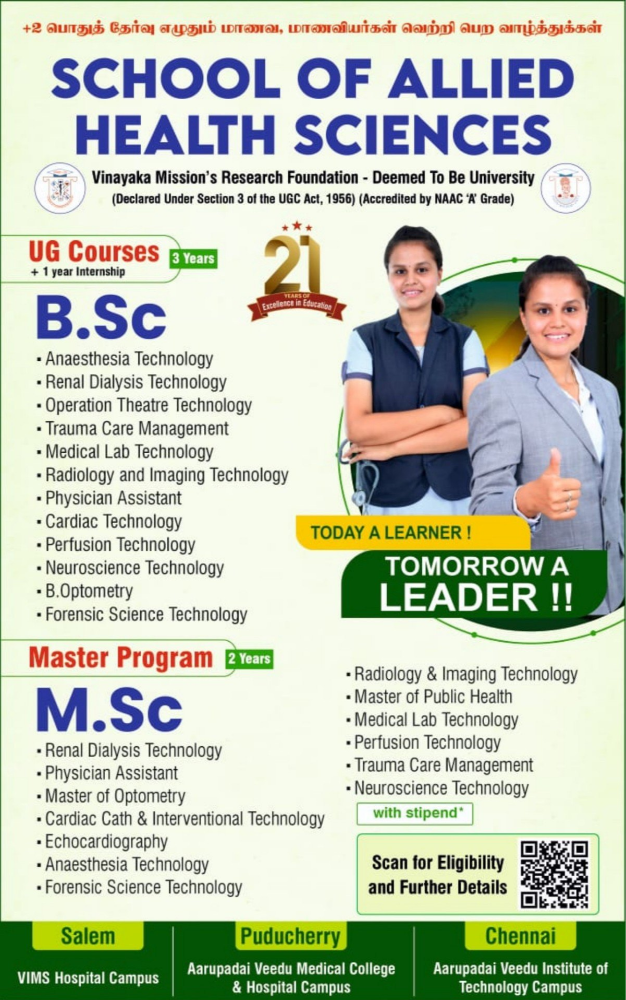
    A career in medical courses offers a wide range of opportunities for individuals who are passionate about healthcare and helping others. Medical education is not limited to becoming a doctor; it includes various fields such as nursing, pharmacy, physiotherapy, medical laboratory technology, and public health. These courses provide both theoretical knowledge and practical skills needed to diagnose, treat, and prevent diseases. With the rapid advancement of medical science and technology, the demand for qualified healthcare professionals is continuously increasing across the world. Students pursuing medical careers develop critical thinking, compassion, and strong decision-making abilities, which are essential in patient care. Moreover, medical professions are highly respected and often provide job stability and growth opportunities. Many courses also offer specialization options, allowing individuals to focus on specific areas of interest such as cardiology, neurology, or pediatrics. Although medical studies can be challenging and require dedication, the rewards are significant, both personally and professionally. Choosing a career in the medical field means committing to lifelong learning and making a meaningful difference in society by improving and saving lives.

    Medical & Healthcare Courses

    • MBBS – This is the most popular medical course for becoming a doctor. It focuses on modern (allopathic) medicine, diagnosis, and treatment of diseases. After MBBS, you can specialize in fields like surgery, cardiology, or pediatrics.
    • BDS – This course is for students who want to become dentists. It deals with oral health, teeth, gums, and dental surgeries.
    • BAMS – This course focuses on Ayurveda, an ancient Indian system of medicine that uses natural therapies, herbs, and lifestyle changes for treatment.
    • BHMS – This course is based on homeopathy, which treats diseases using highly diluted natural substances and follows a holistic approach.
    • BUMS – This course focuses on the Unani system of medicine, which is based on traditional healing methods using natural remedies and balance of body elements.
    • BPT (Bachelor of Physiotherapy)
    • B.Sc Nursing
    • GNM (General Nursing & Midwifery)
    • ANM (Auxiliary Nursing Midwifery)
    • B.Pharm (Bachelor of Pharmacy)

    Allied Health Science Courses

    • B.Sc Medical Laboratory Technology (MLT)
    • B.Sc Radiology & Imaging Technology
    • B.Sc Operation Theatre Technology
    • B.Sc Dialysis Technology
    • B.Sc Optometry
    • B.Sc Cardiac Care Technology
    • B.Sc Anesthesia Technology

    Paramedical Courses

    • Diploma in Medical Lab Technology (DMLT)
    • Diploma in Radiology
    • Diploma in Physiotherapy
    • Diploma in Operation Theatre Technician
    • Diploma in X-Ray Technology
    • Diploma in Dialysis Technician

    Short-Term Skill Courses

    • Medical Coding
    • Hospital Administration
    • Healthcare Management
    • Clinical Research
    • Medical Transcription
    • Nutrition & Fitness Coach
    • Yoga Trainer
    • First Aid & Emergency Care

    Career-Oriented Computer Courses for Medical Students

    • Digital Marketing for Healthcare
    • Graphic Designing for Medical Content
    • Advanced Excel for Hospital Management
    • Data Analytics in Healthcare
    • AI in Healthcare Basics
    • Medical Billing Software Training

    Creative & Trending Career Options

    • Psychology
    • Clinical Psychology
    • Public Health
    • Genetics & Genomics
    • Biomedical Engineering
    • Occupational Therapy
    • Speech Therapy

    Best Courses Without NEET

    • B.Sc Nursing
    • Physiotherapy
    • Biotechnology
    • Nutrition & Dietetics
    • Pharmacy
    • Medical Lab Technology
    • Radiology
    • Psychology

    Top Medical Colleges in Punjab

    • Christian Medical College & Hospital — Famous for MBBS, Nursing, Physiotherapy, and Allied Health courses in Ludhiana.
    • Dayanand Medical College — One of Punjab’s well-known private medical colleges offering MBBS, MD/MS, Nursing, and healthcare programs.
    • Government Medical College, Patiala — Government medical college for MBBS and postgraduate medical education.
    • Govenment Medical College.. — Popular government medical college in Amritsar for MBBS and medical studies.
    • Guru Gobind Singh Medical College and Hospital — Offers MBBS, Nursing, Pharmacy, and allied medical courses.
    • Punjab Institute of Medical Sciences — Known for MBBS, Nursing, Physiotherapy, and paramedical programs.
    • Adesh Institute of Medical Sciences & Research — Provides MBBS, BDS, Nursing, Pharmacy, and Physiotherapy courses.
    • Gian Sagar Hospital & Medical College — Offers medical and healthcare programs including MBBS and Nursing.
    • Guru Ravidas Ayurved University — Best for BAMS, Ayurveda, Pharmacy, and Ayurvedic medical education.
    • Lovely Professional University — Offers B.Pharmacy, Biotechnology, Nutrition, Medical Lab Technology, and allied health science courses.

    Nursing & Paramedical Colleges

    • IMI Nursing – Indian Medical Institute of Nursing — Nursing, ANM, GNM, and healthcare diploma courses.
    • National College of Health Sciences — Medical lab technology, paramedical, and healthcare programs.
    • ALL SAINTS INSTITUTE OF MEDICAL SCIENCES AND RESEARCH — Allied medical and healthcare education programs.

  • contact for more

    Start your journey in Mechanical Engineering

    🧞‍♂️ Name

    We go beyond academics — nurturing all-round development and shaping industry-ready individuals for a successful life.

    students
    0 +
    courses
    0 +
    trainers
    0 +
    Placements
    0 +
    “Joining Mechanical engineering was the best decision! The personal attention and interactive classes helped me score 90% in board exams
    Ritika
    last year student

  • 📈 Admission & Student Help Blogs

    Choose your best career with best ideas

    Choosing the right course and starting your educational journey can feel overwhelming. At ThinkBright Career Hub, we believe that every student deserves clear guidance, smooth admission processes, and continuous support. That’s why our Admission & Student Help system is designed to make your journey simple, transparent, and stress-free.
    Choosing the right course and starting your educational journey is a crucial step that can shape your future career and personal development. After completing school, students are often faced with many options, which can sometimes feel confusing or overwhelming. It is important to take time to understand your interests, strengths, and career goals before making a decision. Instead of simply following friends or trends, you should research different courses, explore their scope, and evaluate the opportunities they offer in terms of jobs and growth. Seeking guidance from experienced mentors, teachers, or career counselors can also help you make a more informed choice. A well-selected course not only enhances your knowledge but also helps you build practical skills and confidence. Starting your educational journey with a positive mindset, discipline, and a willingness to learn is equally important. Every step you take during this phase contributes to your future success. With the right course and proper guidance, you can create a strong foundation, achieve your goals, and move towards a bright and rewarding career path.

    Commerce Stream

    Professional Courses
    . CA 
    . CS 
    . CMA 

    Business & Management
    . BBA (Bachelor of Business Administration)
    . B.Com (General / Honours)
    . Banking & Finance Courses
    . Digital Marketing

    🏥 Medical & Healthcare Courses (PCB)

    . MBBS
    . BDS (Dental)
    . BAMS (Ayurveda)
    . BHMS (Homeopathy)
    . B.Sc Nursing
    . Pharmacy (B.Pharm / D.Pharm)
    . Lab Technician Courses

    🎨 Arts / Humanities Stream

    Creative & Social Fields
    . BA (English, History, Political Science, Psychology)
    . Journalism & Mass Communication
    . Fashion Designing
    . Interior Designing
    . Law (LLB / BA LLB)
    . Social Work
    . Teaching (BA + B.Ed)

    Top colleges & universities in Punjab

    Government & Popular Universities

    • Panjab University
    • Punjabi University
    • Guru Nanak Dev University
    • Central University of Punjab
    • Khalsa College
      • Guru Nanak College
      • Public College Samana – offers BA, B.Com, B.Sc and more
      • Guru Kashi College – arts, science & commerce courses

      Private Universities 

      • Chandigarh University
      • Lovely Professional University
      • Chitkara University
      • Thapar Institute of Engineering and TechnoloGY 
      • Arya College
      • BBK DAV College for Women
      • A S College
      •  

    Q&A With Professor Series

    Q1. Why is choosing the right course so important after 12th?
    Professor: Choosing the right course is important because it directly impacts your career path and future opportunities. A well-chosen course helps you stay motivated, perform better academically, and build the right skills for your desired profession.


    Q2. How can students identify the right course for themselves?
    Professor: Students should start by understanding their interests, strengths, and long-term goals. Taking career assessments, exploring different fields, and talking to mentors or counselors can provide clarity and direction.


    Q3. Should students follow their passion or choose a course with better job opportunities?
    Professor: Ideally, students should find a balance between passion and career scope. A course that matches your interest and also offers good job opportunities will lead to long-term satisfaction and success.


    Q4. What common mistakes do students make while choosing a course?
    Professor: Many students follow peer pressure, choose courses based on trends, or lack proper research. Ignoring personal interest and skills can lead to dissatisfaction later.


    Q5. How important is career counseling in this process?
    Professor: Career counseling plays a vital role. It helps students understand available options, industry demands, and their own capabilities, making the decision-making process easier and more effective.


    Q6. What advice would you give to students starting their educational journey?
    Professor: Start with a positive mindset, stay curious, and be open to learning. Focus on building skills, not just passing exams. Consistency and dedication are key to long-term success.

    Hands-On Project Spotlight

    🚀 Why Hands-On Projects Matter

    Hands-on projects allow students to move beyond textbooks and experience real-life applications of their knowledge. Instead of only learning concepts, students get the opportunity to:

    • Solve real problems
    • Work on practical tasks
    • Understand industry-level tools and techniques

    This approach not only improves understanding but also prepares students for real job environments.

    💡 Example Project Ideas

    Here are some examples of projects students can work on:

    • 💻 Web Development: Create a personal portfolio or business website
    • 📊 Accounting: Manage accounts using Tally software
    • 🏗️ Civil Engineering: Design a basic building layout using AutoCAD
    • 🎨 Graphic Designing: Create logos, posters, and social media creatives
    • 💄 Makeup Courses: Perform bridal or event makeup on live models

    These projects help students gain real experience and showcase their skills.

    Student Reviews

    1. ⭐⭐⭐⭐⭐
    “I was very confused after my 12th about which course to choose. This guidance helped me understand my interests and choose the right path. Now I feel more confident about my future.”


    2. ⭐⭐⭐⭐⭐
    “The explanation about choosing the right course was very clear and practical. It made me realize that I should focus on my skills instead of following others.”


    3. ⭐⭐⭐⭐⭐
    “Starting my educational journey felt stressful, but after reading this, I understood how important planning and guidance are. It really motivated me.”


    4. ⭐⭐⭐⭐⭐
    “This helped me avoid common mistakes like choosing a course based on trends. Now I am focusing on what I truly enjoy.”

    📚 Why Choose Our Admission Support?

    • Simple and fast admission process
    • Friendly and experienced counselors
    • Transparent fee structure
    • Continuous student guidance
    • Career-focused approach

    🚀 Start Your Journey Today

    Your future starts with the right decision. Our Admission & Student Help team is here to guide you at every step—from choosing the course to building your career.

    🌟 Decision-Making & Guidance Topics

    • How to Choose the Right Course After 12th (Step-by-Step Guide)
    • Top Mistakes Students Make While Choosing a Course
    • Career vs Passion: What Should You Choose?
    • How to Identify Your Strengths and Interests Before Choosing a Course
    • Importance of Career Counseling for Students

    Get in touch

    Name

  • MAKE UP COURSES

    WHAT IS MAKE UP?

    Makeup courses have become increasingly popular as the beauty and fashion industry continues to grow and offer exciting career opportunities. These courses are designed to teach students the art and science of makeup application, helping them develop both creative and technical skills. Whether you are a beginner with a passion for beauty or someone looking to build a professional career, makeup courses provide structured learning that covers everything from basic techniques to advanced artistry. Students typically start by learning skin types, face shapes, color theory, and hygiene practices, which are essential for safe and effective makeup application. As the course progresses, they are introduced to different styles such as bridal makeup, party makeup, fashion and editorial looks, and even special effects (FX) makeup used in films and theatre.One of the key benefits of enrolling in a makeup course is the hands-on training provided by experienced professionals. This practical experience helps students gain confidence and improve their skills by working on real models. Many institutes also include training in the use of professional tools and high-quality products, which is crucial for delivering industry-standard results. Additionally, students learn about client consultation, understanding customer preferences, and creating personalized looks, which are important aspects of building a successful career in the beauty industry.

    Professional Skill Development – Learn basic to advanced makeup techniques with proper guidance
    . .Hands-on Practical Training – Practice on real models to build confidence and accuracy.
    Wide Career Opportunities – Work as a freelance artist, in salons, bridal industry, fashion, TV, or films.Knowledge of

    . COURSES

    Basic to advanced makeup techniques
    . Bridal makeup training
    .Party and occasion makeup
    . HD and airbrush makeup skills
    . Skin types and product knowledge
    . Color theory and face shapes
    . Hygiene and safety practice
    . Hands-on practical training
    . Use of professional tools and products
    . Client consultation skills
    . Portfolio development
    . Latest beauty trends and techniques

    . FACE MAKE UP

    • Skin Preparation – Cleanse, tone, and moisturize the skin before makeup
    • Primer Application – Creates a smooth base and helps makeup last longer
    • Foundation – Evens out skin tone and provides base coverage
    • Concealer – Hides dark circles, spots, and blemishes
    • Color Correction – Neutralizes uneven skin tones (dark spots, redness)
    • Setting Powder – Sets foundation and controls oil/shine
    • Contouring – Defines facial features like cheekbones, jawline, and nose
    • Highlighting – Adds glow to high points of the face
    • Blush Application – Adds color and freshness to cheeks
    • Bronzer – Gives a sun-kissed and warm look
    • Eyebrow Shaping – Defines and enhances brows for a polished look
    • Setting Spray – Locks makeup in place for long-lasting effect
    • Blending Techniques – Ensures a smooth and natural finish
    • Choosing Right Shades – Matching foundation and products to skin tone
    • Natural vs Glam Look – Adjusting makeup based on occasion and style

    .Types of Makeup Artists

    . Bridal Makeup Artist
    Specializes in wedding makeup for brides and family members. Focus is on long-lasting, camera-friendly looks.
    . Fashion Makeup Artist
    Works in fashion shows, magazines, and photoshoots. Creates trendy and creative looks.
    . Film & TV Makeup Artist
    Works in movies, serials, and web series. Designs makeup based on characters and lighting
    .Special Effects (FX) Makeup Artist
    Creates scars, wounds, aging effects, zombies, etc. Used in films and theatre
    ..Celebrity Makeup Artist
    Works with famous personalities for events, shoots, and appearances
    .Editorial Makeup Artist
    Works for magazines and creative photoshoots. Focus on artistic and bold styles.
    .Theatrical Makeup Artist
    Designs makeup for stage performances, dramas, and live shows.
    .Freelance Makeup Artist
    Works independently and takes different types of clients (bridal, party, shoots).
    .Salon Makeup Artist
    Works in beauty salons and provides daily makeup services like party makeup.
    .Airbrush Makeup Artist
    Uses airbrush tools for smooth, flawless, HD makeup finish.

    . Who can join a makeup artist course?

    .Anyone can join! There is no strict qualification required. Students, housewives, freelancers, and even working professionals can enrol

    What skills are needed to become a makeup artist?

    You need creativity, attention to detail, good communication skills, and an interest in beauty and fashion.

    . LOCATION

    dera bassi
    #47 gulabgadh
    dis. mohali
    punjab

    start your journey in

    make up artist

    This is a title

  • Mechanical Engineering

    WHAT IS Mechanical Engineering ?

    Mechanical engineering is one of the most dynamic and diverse branches of engineering, playing a crucial role in shaping the infrastructure and technology that drive modern society. It focuses on the design, analysis, manufacturing, and maintenance of mechanical systems, making it a core discipline that supports industries such as automotive, aerospace, construction, energy, and manufacturing. From designing engines and machines to developing advanced robotics and renewable energy systems, mechanical engineers are at the forefront of innovation. This field combines fundamental principles of physics, mathematics, and material science to solve real-world problems and improve efficiency in everyday life.A mechanical engineering course is designed to provide both theoretical knowledge and practical skills. Students typically study key subjects such as thermodynamics, which deals with heat and energy transfer; fluid mechanics, which focuses on the behavior of liquids and gases; and machine design, which involves creating mechanical components and systems. In addition, modern courses also include computer-aided design (CAD), automation, and robotics, ensuring that students stay updated with the latest technological advancements. Hands-on training, workshops, and industry projects are an essential part of the curriculum, helping learners gain real-world experience and build confidence in their skills.One of the biggest advantages of pursuing mechanical engineering is its wide range of career opportunities. Graduates can work in industries such as automobile manufacturing, power plants, construction companies, aerospace organizations, and even emerging sectors like renewable energy and electric vehicles. Job roles may include design engineer, production engineer, maintenance engineer, quality control engineer, and project manager. With experience and specialization, professionals can also move into research and development or start their own engineering ventures.

    . History of Mechanical Engineering

    The history of mechanical engineering as a course is closely linked to the evolution of human civilization and technological progress. Its roots can be traced back to ancient times, when early inventions like the wheel, simple machines, and water-lifting devices laid the foundation for mechanical systems. Civilizations such as those in ancient Greece, Egypt, and China contributed significantly to early mechanical concepts, with inventors developing tools and machines to improve agriculture, construction, and transportation. However, mechanical engineering began to take a more structured form during the Industrial Revolution in the 18th and 19th centuries, when the demand for machines, engines, and manufacturing systems increased rapidly.During the Industrial Revolution, innovations like the steam engine, developed and improved by engineers such as James Watt, transformed industries and created a need for formally trained professionals. This period marked the transition of mechanical engineering from practical craftsmanship to a scientific and academic discipline. Universities and technical institutions in Europe and later in other parts of the world began introducing mechanical engineering as a formal course, focusing on subjects like mechanics, thermodynamics, and machine design.In the 20th century, the course evolved further with the advancement of technology. The introduction of electricity, automobiles, aircraft, and manufacturing systems expanded the scope of mechanical engineering education. Institutions started incorporating laboratory work, workshops, and practical training to bridge the gap between theory and real-world application. With the rise of computers in the late 20th and early 21st centuries, modern courses began including computer-aided design (CAD), automation, and robotics.

    . Education of Mechanical Engineering

    Mechanical engineering education is designed to build a strong foundation in both theoretical knowledge and practical skills, preparing students to become innovative problem-solvers in a wide range of industries. It focuses on core engineering principles such as mechanics, thermodynamics, fluid dynamics, and material science, which help students understand how machines and mechanical systems work. Along with these fundamentals, modern mechanical engineering education also emphasizes the use of advanced tools and technologies like computer-aided design (CAD), computer-aided manufacturing (CAM), and automation systems, ensuring that students stay aligned with current industry standards.A well-structured mechanical engineering program goes beyond classroom learning by integrating hands-on training, laboratory experiments, and real-world projects. Students are encouraged to work on machine design, manufacturing processes, and system analysis, which enhances their technical abilities and critical thinking skills. Workshops and industrial training play a key role in helping learners gain practical exposure, understand workplace environments, and apply their knowledge to solve real-life engineering challenges. This balance between theory and practice is essential in shaping competent and job-ready engineers.In addition to technical expertise, mechanical engineering education also focuses on developing soft skills such as teamwork, communication, and project management. Engineers often work in collaborative environments, and these skills are crucial for successfully handling projects and interacting with clients and teams. Many institutions also include internships, industry visits, and guest lectures by professionals to give students insights into the latest trends and expectations of the engineering sector.

    . Courses

    Standards set by each country’s accreditation society are intended to provide uniformity in fundamental subject material, promote competence among graduating engineers, and to maintain confidence in the engineering profession as a whole.
    . Engineering Mathematics
    . Engineering Physics
    . Engineering Drawing
    . Basic Mechanical Engineering
    . Fluid Mechanics
    . Strength of Materials
    . Theory of Machines
    . Machine Design
    . Heat Transfer
    . Engineering Mechanics

    . Practical & Training Modules

    . Engineering Workshop Practice
    . Internship / Industrial Training
    . Final Year Project

    . Future of Mechanical Engineering

    The future for mechanical engineering students is full of exciting opportunities as industries continue to evolve with new technologies. With the rise of automation, robotics, electric vehicles, and renewable energy, mechanical engineers are in high demand across various sectors. Students who develop skills in modern tools like CAD, AI-based systems, and smart manufacturing will have a strong advantage in the job market. Additionally, the focus on sustainable solutions is creating new career paths in green energy and eco-friendly design. Overall, mechanical engineering offers a stable, innovative, and growth-oriented future for students willing to adapt and learn continuously.

    . job Duties

    . Design Engineer – Creates and develops mechanical components, machines, and systems using design software and technical knowledge.
    . Production Engineer – Manages manufacturing processes, ensuring efficient production and quality output.
    . Maintenance Engineer – Responsible for the upkeep, repair, and smooth functioning of machinery and equipment.
    . Quality Control Engineer – Ensures products meet industry standards and quality specifications.
    . Project Engineer – Plans, manages, and executes engineering projects within deadlines and budgets.
    . Automobile Engineer – Works on vehicle design, development, and performance improvement.
    . HVAC Engineer – Designs and maintains heating, ventilation, and air conditioning systems.
    . Robotics Engineer – Develops automated systems and robotic technologies for modern industries.
    . Energy Engineer – Focuses on energy efficiency and renewable energy solutions.

    . Salary

    Mechanical Engineering Salary Points (Start to End)
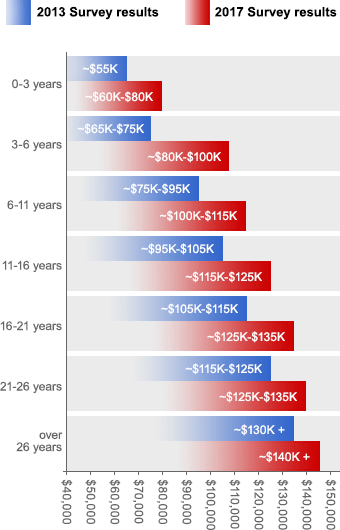
    . Fresher (0–1 Year) – ₹2.0 LPA to ₹4.5 LPA (₹15,000–₹30,000/month)
    . Junior Engineer (1–3 Years) – ₹3.0 LPA to ₹6.0 LPA
    . Mid-Level Engineer (3–7 Years) – ₹5.0 LPA to ₹10.0 LPA
    . Senior Engineer (7–12 Years) – ₹8.0 LPA to ₹18.0 LPA
    . Expert / Manager Level (12+ Years) – ₹15.0 LPA to ₹30.0 LPA+

    . Areas where to learn

    Top Locations in Punjab for Mechanical Engineering
    . Ropar (Rupnagar) – Known for top national-level institute
    . Chandigarh / Mohali – Major education hub with many colleges
    . Jalandhar – Popular for government engineering institutes
    . Patiala – Home to reputed private universities
    . Amritsar – Growing center for technical education
    . Ludhiana – Industrial city with engineering focus
    . Sangrur / Hoshiarpur – Good options for diploma & degree colleges
    👉 Punjab has 100+ Mechanical Engineering colleges across different cities, including both private and government institutes.

    . Who can join ?

    1. What is Mechanical Engineering?
    Mechanical Engineering is a branch of engineering that deals with the design, development, manufacturing, and maintenance of machines and mechanical systems.
    2. What subjects are included in Mechanical Engineering?
    Key subjects include Thermodynamics, Fluid Mechanics, Machine Design, Manufacturing Processes, Engineering Mechanics, and CAD (Computer-Aided Design).
    3. What are the eligibility criteria for Mechanical Engineering courses?
    Students must complete 10+2 with Physics, Chemistry, and Mathematics (PCM). For diploma courses, 10th pass students can also apply.
    4. What is the duration of Mechanical Engineering courses? Diploma: 3 years B.Tech/BE: 4 years M.Tech: 2 years.
    5. What skills are required to become a Mechanical Engineer?
    Problem-solving skills, technical knowledge, creativity, analytical thinking, and basic computer skills like CAD software.